 Opening hours:
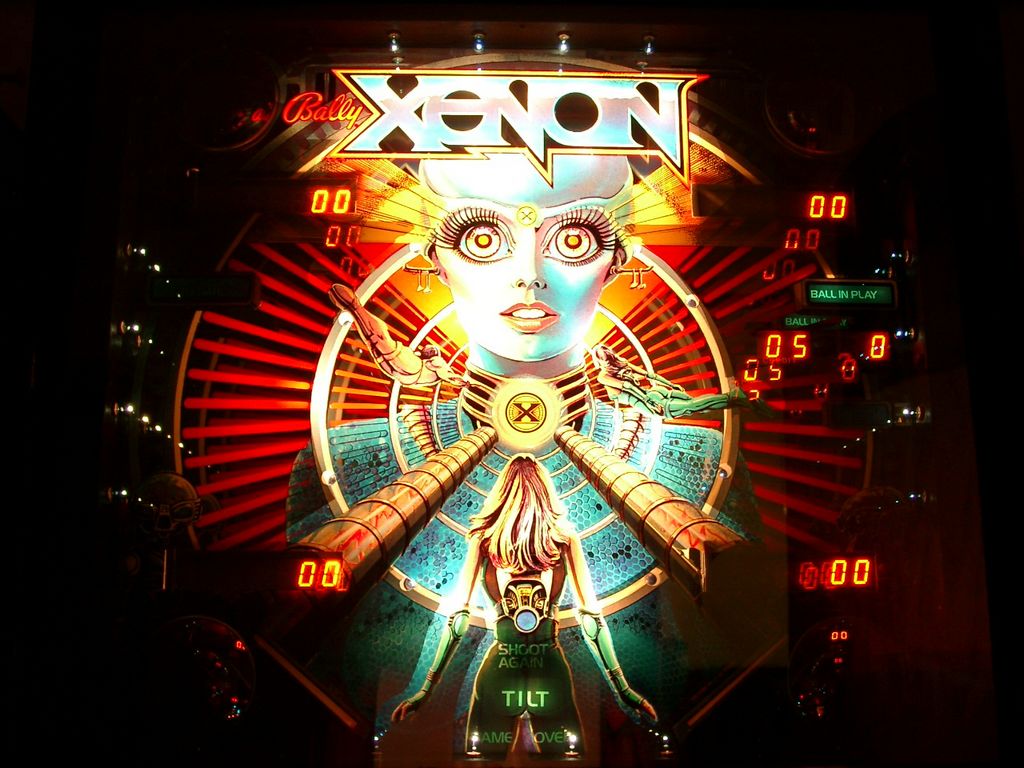
For the first time, pinball machines can talk to the player.
Digital sound chips and speech modules gradually replace purely mechanical bells and chimes.
This creates new soundscapes and a stronger atmosphere during gameplay.
Games can now produce spoken phrases, warnings and comments.
Music and sound effects are increasingly generated electronically.
This development makes the game more dynamic and immersive.
An early milestone is “Gorgar” (Williams, 1979), the first pinball machine with synthetic speech.
Another important example is “Xenon” (Bally, 1980), known for its innovative electronic sound design and voice effects.
These machines become major successes in the early 1980s.
They demonstrate how strongly electronics and sound design influence the pinball experience.
Machines like Gorgar and Xenon are now considered classics of this era.