 Opening hours:
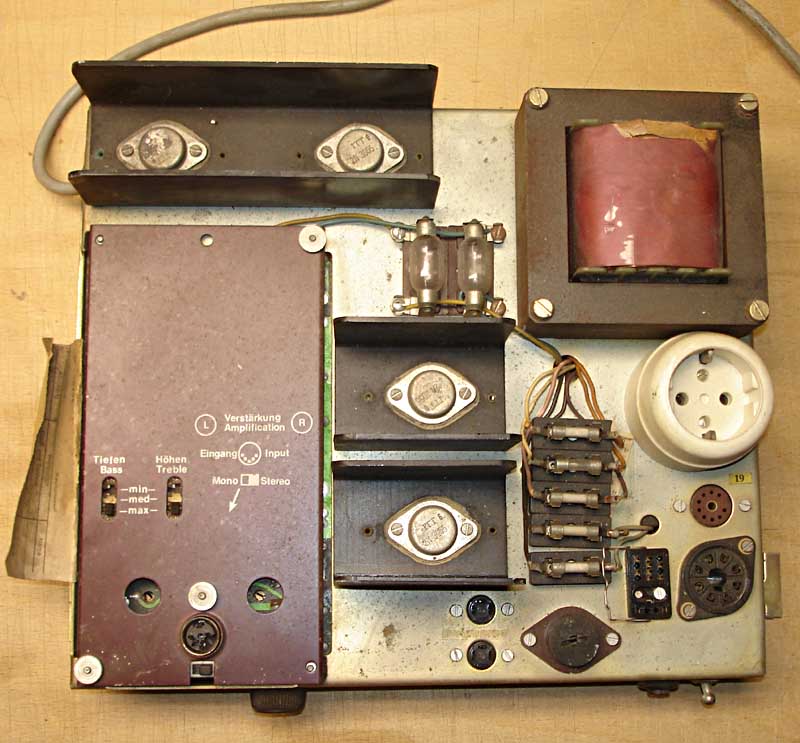
Transistor amplifiers produced less heat and required much less maintenance than tube-based systems.
They also allowed more compact designs while still delivering strong and stable sound.
This was especially advantageous for continuous operation in bars, restaurants, and dance venues.
The new electronics improved the reliability of jukebox machines and reduced maintenance requirements for operators.
As a result, jukeboxes remained an important part of many venues.
However, a new form of entertainment was emerging at the same time: the discotheque.
Large Hi-Fi sound systems, DJ turntables, and constantly changing music selections attracted a new audience.
Discotheques offered greater musical variety and much louder sound, which single jukebox machines could hardly match.
Although jukeboxes remained popular, they gradually began to lose their role as the primary music source in many venues.
This period marked the beginning of a major shift in entertainment and music culture.