 Opening hours:
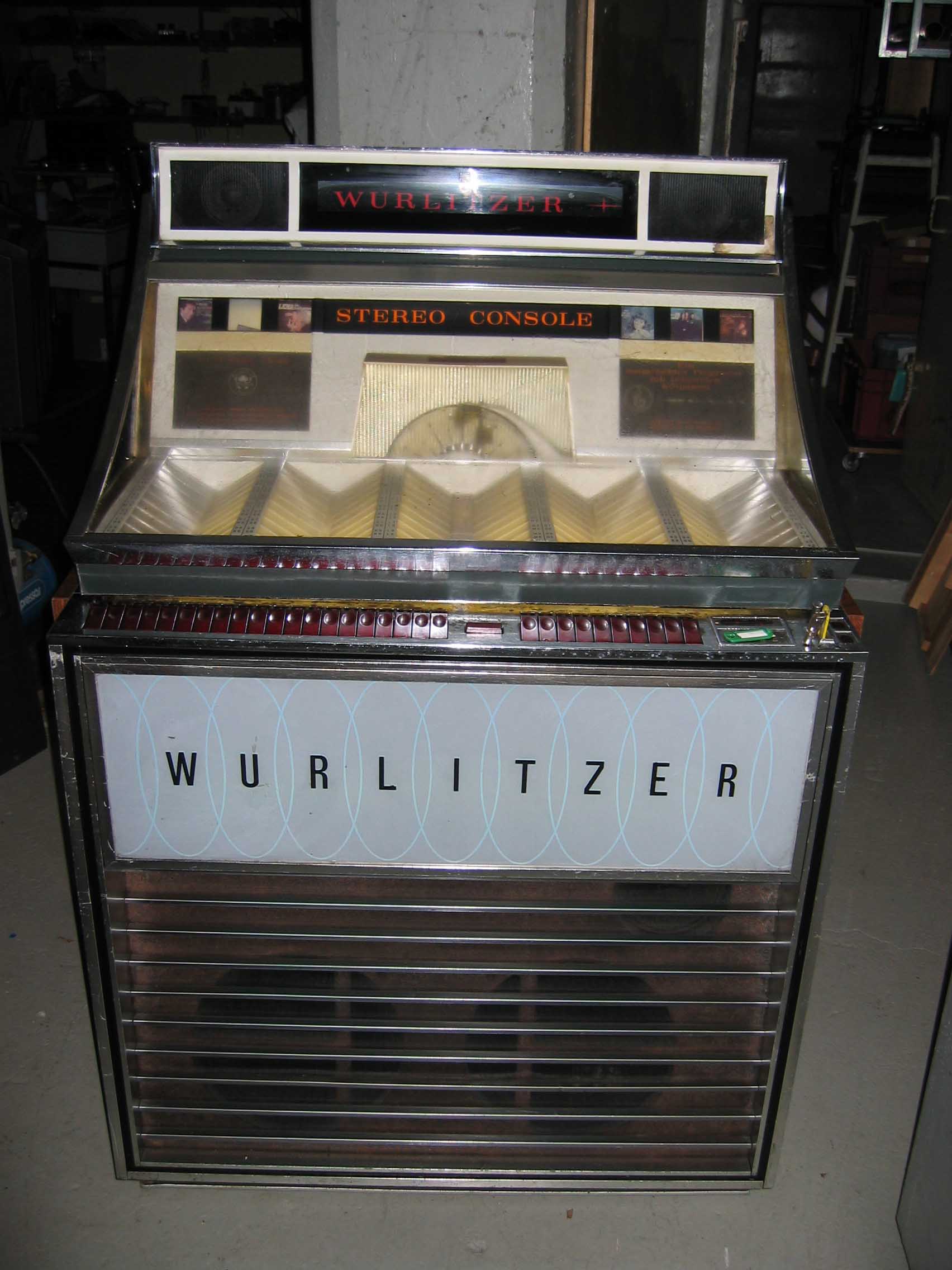
Earlier jukeboxes had proudly displayed their mechanical components, but these elements now disappeared inside the cabinet.
The focus shifted away from mechanical spectacle toward reliability, sound quality, and performance.
A modern jukebox was expected to play clearly, powerfully, and loudly.
Manufacturers introduced stronger amplifiers and improved speaker systems.
This made it possible to fill large bars, restaurants, and dance halls with music.
At the same time, the design of jukeboxes evolved.
Machines adopted a more modern, clean, and functional appearance, often featuring straight lines and minimalistic shapes.
The style reflected the design trends of the 1960s.
As a result, the jukebox gradually changed from an eye-catching mechanical attraction into a professional music system for commercial venues.