 Opening hours:
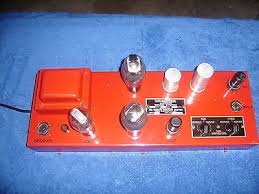
Early music machines operated mechanically or acoustically, with sound amplified only by acoustic horns.
The development of electrical amplification made it possible to reproduce music much louder and clearer.
Electrical systems allowed the use of more powerful loudspeakers, creating a richer and fuller sound.
A jukebox could now produce room-filling music, sometimes comparable to a small orchestra.
This innovation made music machines particularly attractive for bars, restaurants, and dance halls.
They quickly became important entertainment centers in public venues.
At the same time, manufacturers developed automatic record-changing mechanisms.
These systems allowed records to be exchanged automatically during operation.
Many of these mechanisms were patented by different companies.
Thanks to these technologies, jukeboxes could offer a much larger selection of songs.
Listeners could choose from multiple titles, which were then played automatically.
The combination of electrical amplification and automatic record changers laid the foundation for the classic jukebox that later became popular worldwide.